Table Of Content

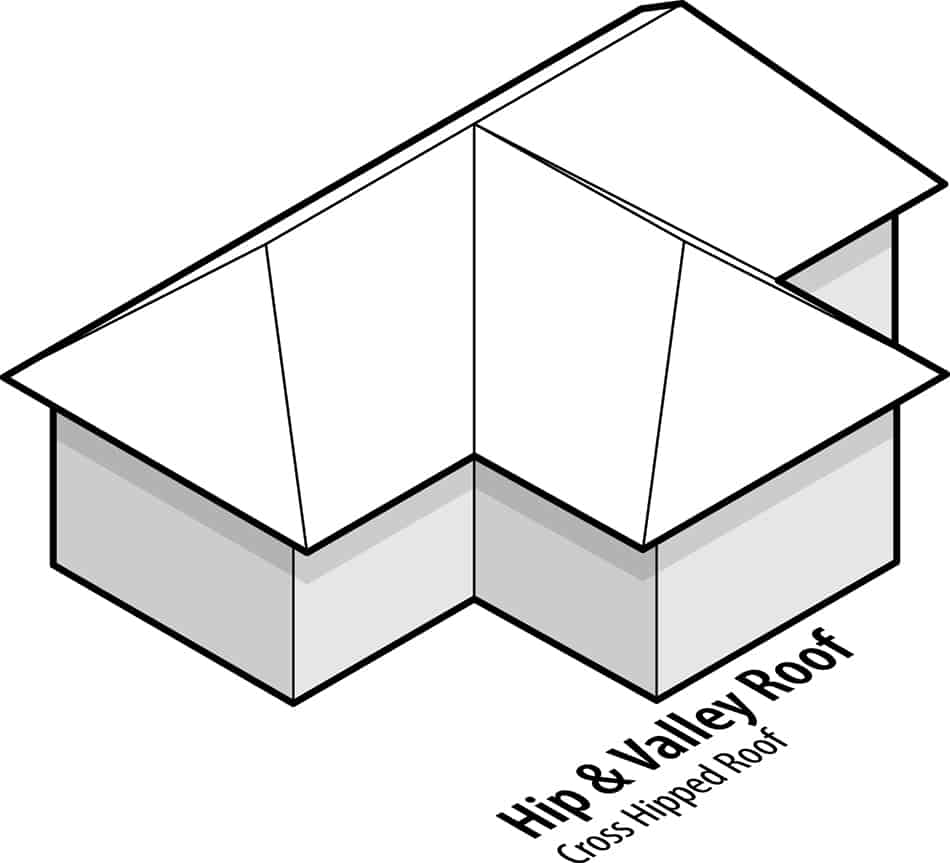
It also exudes a colonial aura because of its peaked roof design. The walls of the house are made of white stone, but it is the charcoal and smoke gray stones on the hip roofs that catch attention. The light and dark contrasting stones on the roof of the house give the place a very elegant and chic look. Such buildings may have more than four hips in the roofs, and they form valleys at the inside corners. Like the half-hip roof, these roofs are also great for installing a gutter and provide protection from high winds.
Green Half-Hip Roof House
A jerkinhead roof, also known as a clipped gable, is a type of roof style that combines elements of both a gable roof and a hip roof. It is commonly seen in residential homes and small commercial buildings. The top of the gable is clipped, or turned down, to form what looks like a hip roof.
Mansard roof
The build begins with the frame, the skeleton upon which the rest of the roof will be built. Here’s a step-by-step guide on how to build the frame for a hip roof. Consider re-roofing your home with concrete roof tile over other traditional roofing materials like asphalt singles. The roof areas of the mansard roof are flatter in the upper part than in the lower part of the roof. The roof angles in the lower part have severe bends in the lower part. The roof structure is also called roof frame work and typically consists of wood.
What Is a Hip Roof in Construction?
Most residential roofs have a pitch between 4/12 and 9/12 if you’re looking for a traditional roof pitch. Steeper pitches are often visually striking and add architectural drama, while lower pitches pair better with a modern aesthetic. It features a hip roof with a small gable at the top, giving it a more decorative and distinctive appearance. When well-constructed using durable materials and proper installation techniques, a hip roof can have a lifespan of 20 to 50 years or more. The amount of time a hip roof will last depends on the material you use, your climate, and how well you maintain the roof.
Since these roofs are pitched and have no flat spots, they’re ideal for areas with heavy rain or snow. They are four-sided, relatively symmetrical structures with a flat base. Each side is built in the same manner and can be finished the same way. They cost more to make, thanks to the need for more materials. That’s right; if you live in a hurricane-prone area, your insurance company may give you a discount for owning a home with a hip roof.
How much does it cost to install a hip roof?
Gable roofs tend to be cheaper, easier to build, and require less material. Gable roofs are less sturdy than hipped roofs, however, and are not recommended for hurricane or gale prone areas. During high winds, a gable roof can be prone to collapse, especially if it is not supported with the proper braces.
Hip Roof Styles
Oliver Leech Architects tops Surrey house extension with a stepped roof - Dezeen
Oliver Leech Architects tops Surrey house extension with a stepped roof.
Posted: Thu, 17 Mar 2022 07:00:00 GMT [source]
This house is a blend of Georgian architecture and contemporary design. The beige walls of the house are overshadowed by a rectangular hipped roof. A multitude of square-shaped windows and the door in the middle enhance the symmetry of the house.
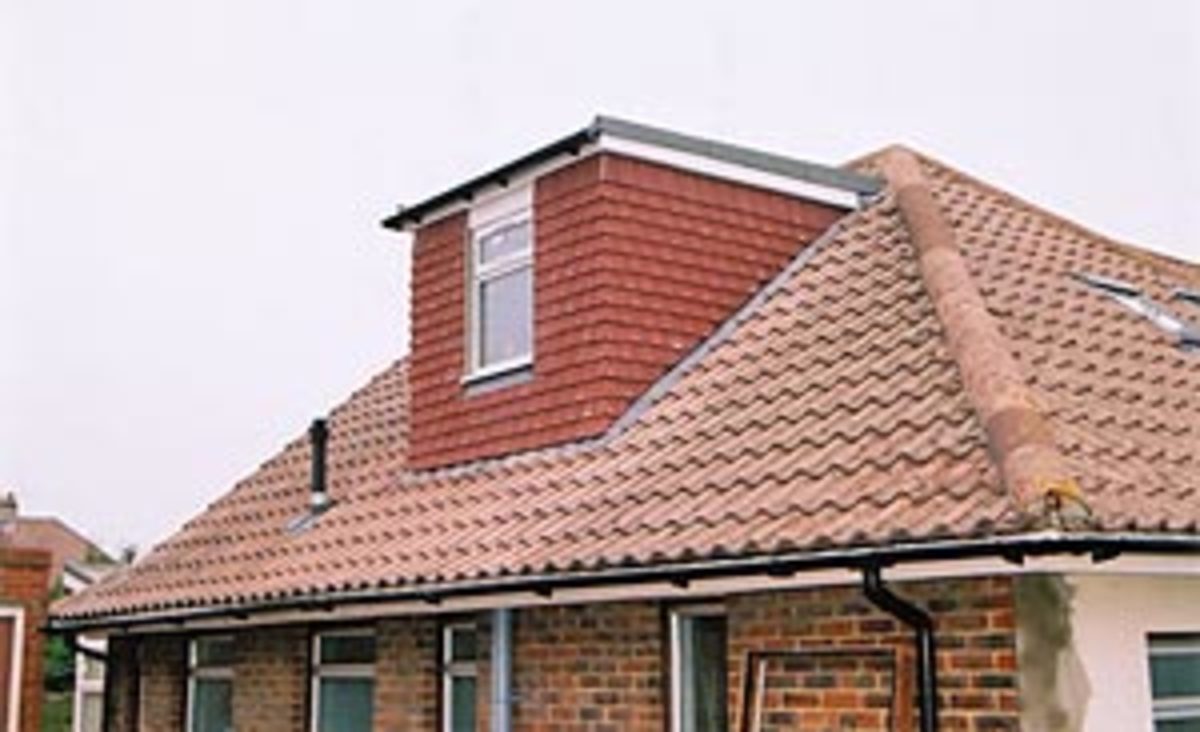
It is characterized by multiple roof sections that meet at angles, forming valleys and hips. This design adds complexity and visual interest to a building while also serving practical purposes. Simple hip roofs consist of a single square or rectangular structure with four sloping sides. However, more complex designs may include several hips, ridges, and eaves.
White & Silver Hip Roof House
This could be a great home for some well-to-do farmers or lovers of the countryside. Hip roofs offer additional protect from wind and are useful in areas prone to hurricanes or tornadoes. If you are wondering about how to construct a hip roof at your commercial or residential property, then this guide can help you a lot. It includes complete details about rafters, ridges, framing and design basics that can assist people even in do it yourself activities. It becomes easier to follow procedures if we have pictorial representation for every aspect.
thatched hip roof tops hubschmitz architekten's house on föhr island, germany - Designboom
thatched hip roof tops hubschmitz architekten's house on föhr island, germany.
Posted: Tue, 10 Nov 2020 08:00:00 GMT [source]
Many people love gable roofs because they add personality to the outside and inside of a home. On top of this, a gable roof works well in almost any environment. If proper ventilation is a concern, gable roofs have you covered. A hip, or hipped, roof is a gable roof that has sloped instead of vertical ends.
You can have a wind mitigation report performed to gauge if you’re eligible for a discount if you already live in a home with a hip roof. If the roof were flatter, it would simply act as another surface for the wind to butt against. A sloped roof creates a rounder shape for the house, making it easy for the wind to follow.
The top slope is usually shallow, with the lower slope being steep. But, there’s more than one kind of hip roof, which can get confusing. Additionally, there are different kinds of hip roofs, which can be hard to tell apart sometimes. After reading this, you’ll know all the essential details about hip roof design. Hip roofs have sides that meet at an angle, and this angle is called a “hip.” Hence, the name “hip roof.” This type of roof has all four sides sloped in the same direction.
For this reason, along with their many other benefits, hip roofs are incredibly popular. With gables on a couple of sides, it not only looks intriguing but also offers some extra room inside. No wonder it’s a common barn roof design – it has plenty of rustic charm. One of the standout advantages of a hip roof is its stability. The slopes on all sides intersect at the top, making it incredibly resistant to strong winds and harsh weather conditions.


No comments:
Post a Comment