Table Of Content
- Who Can Get Maximum Benefits from a Hipped Roof Design?
- How are hip roof loft conversions built?
- Hip And Valley Roof
- Harbor Roofing Riverview FL
- Green Half-Hip Roof House
- Hip Roof Design: What Does a Hip Roof Look Like?
- What is a hip roof? The pros and cons of this roof type explained
- Types of Roof Sheathing

On the other hand, tongue and groove is often used for its aesthetic appeal. Once your pieces are cut, it’s time to start putting them together. This board runs along the top of the roof and provides a connection point for the rafters. Using sturdy nails or screws, securely fasten the rafters to the ridge board at an angle, ensuring they are symmetrical on both sides.

Who Can Get Maximum Benefits from a Hipped Roof Design?
In home architecture, the roof generally sticks out a little past the gable wall to keep water from getting in. Gable roofs are easy to spot because they have a visible, usually triangular piece of wall at the end of the roof, between the two sloped sides. Also, a hip roof does not have a peak but instead has sloped sides all around. Hip roofs are one of the most common roof styles in American home design. A hip roof is any roof where all the sides of the roof slope downward from the highest point or ridgeline. Learn more about hip roofs, including different styles and the benefits and drawbacks, in our guide below.
How are hip roof loft conversions built?
The cross-hip roof is one of the more popular variants of the hip roof. Cross hips are laid out perpendicularly over L-shaped buildings, and their construction can be likened to bringing two hip roof buildings together. A half-hip, jerkinhead or clipped gable roof is usually characterized by a gable, but the upper points of the gable are instead replaced by a small hip. One of the benefits of a half-hip roof is that it may accommodate a gutter that can be easily fixed all around the house. The half-hipped roof comprises of both the elements of a gable and a hipped roof.
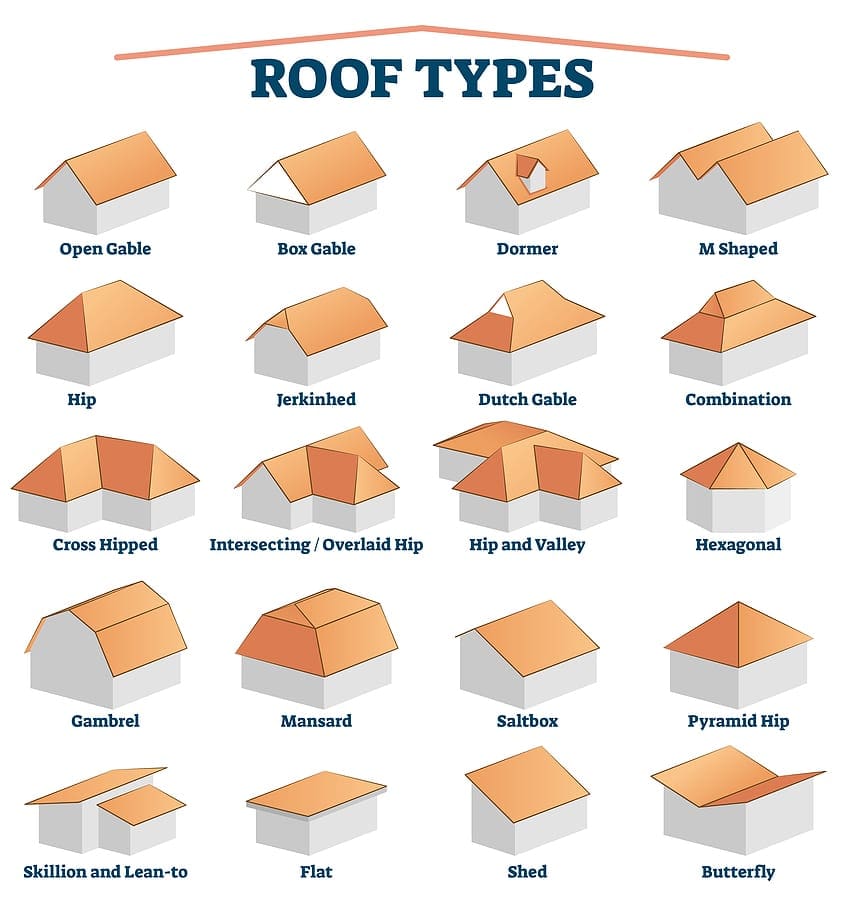
Hip And Valley Roof
A single-shell roof is also called warm roof and it is an unventilated roof. A double-shell roof is also called cold roof and is an internally ventilated roof. The roof consists of a roof structure and the actual roof which again consists of a roof system and roofing.
Yes, it's a cool roof, but no, that's not why we call it hip. In architecture, a hip roof is one with all sides slanting downwards at a consistent angle. Various hip roof kits can simplify the process of building a hip roof. Those who are new to hip roof construction should seek the guidance and instruction of experienced builders. Proper hip roof construction is essential for ensuring that the roof's ventilation, sheathing, guttering, drainage, and insulation work as they should.
Asphalt shingles are a cost-effective and popular choice, whereas metal roofing is known for its durability and resistance to extreme weather conditions. When it comes to the structure of a hip roof, there are specific parts and terminology one should familiarize themselves with. The ‘hip’ refers to the external angle where two sloping sides meet. The ‘ridge’ is the highest point of a roof that runs along its length, while the ‘eave’ is the edge of the roof that overhangs the face of a wall. Another term is the ‘rafter’, which is one of several internal beams extending from the eaves to the peak of the roof.
Hip Roof Design: What Does a Hip Roof Look Like?
This particular style is particularly suitable for buildings with rectangular or square bases, renowned for its durability and stability. The pavilion hip roof represents a roofing style frequently employed on gazebos, pavilions, and other outdoor structures. It features a slightly sloping pyramid-shaped roof with a flat top, often covered with shingles or metal roofing materials. No step by step roof building process is complete without weatherproofing. This step ensures that your hip roof can effectively resist rain, snow, and wind.
What is a hip roof? The pros and cons of this roof type explained
If you want to go with something widely used around the country, the information above may help. A side outshot roof is also designed to create a protected parking space. A distinction is made between single-shell and double-shell roofs.
Types of Roof Sheathing
Compared to a traditional hip roof, this style does not have a ridge. This adorable design often graces structures like cozy gazebos or dainty houses. A cross hip roof, as the name suggests, forms a lovely cross shape. This roof has other ridges at a right angle to the main one, which adds a bit of flair to any property.
Operable screens wrap beachfront house in Hawaii by Olson Kundig - Dezeen
Operable screens wrap beachfront house in Hawaii by Olson Kundig.
Posted: Mon, 17 Jul 2023 07:00:00 GMT [source]
It’s crucial to understand these terms because they form the basis of roof framing techniques used in hip roof construction. We also take a look at the pros and cons of a hip roof so that you can feel confident you are making the right choice for your home. The slopes on the sides are the primary difference between a hip and a gable roof. All sides of a hip roof slope downward toward the home’s walls.
This proactive shedding reduces the risk of leaks and water damage, ensuring your home stays dry and comfortable. Sometimes the gable is small, but in this circumstance, the homeowner chose to place a large gable in the center. People still use this design in homes, offices, and other buildings today. Not only do these roofs look nice, but they are also better for airflow than flat roofs. Hipped roofs have a reputation for being strong and long-lasting, which makes them perfect for many different kinds of buildings.
Once your frame is in place, double-check that everything is secure. This involves checking that all screws and nails are tightly fitted and that the frame is stable. It’s also a good time to confirm that your roof is symmetrical and that the rafters are correctly aligned.
Although there are many patterns for roofing styles that ensure proper covering of house with added protection from adverse weather conditions. As compared to global roof framing, hip roof framing is more difficult because it consists of four sides with variable lengths instead of two sides. The ridge board is centered here in terms of length, as well as width.
It also adds an extra layer of protection against exterior elements. As for materials, you’ll need an ample supply of lumber for framing, sheathing boards or plywood, roofing underlayment, and your chosen roofing materials. You probably come across gable roofs as you drive to work or run errands around your community.


No comments:
Post a Comment